Research Opportunities
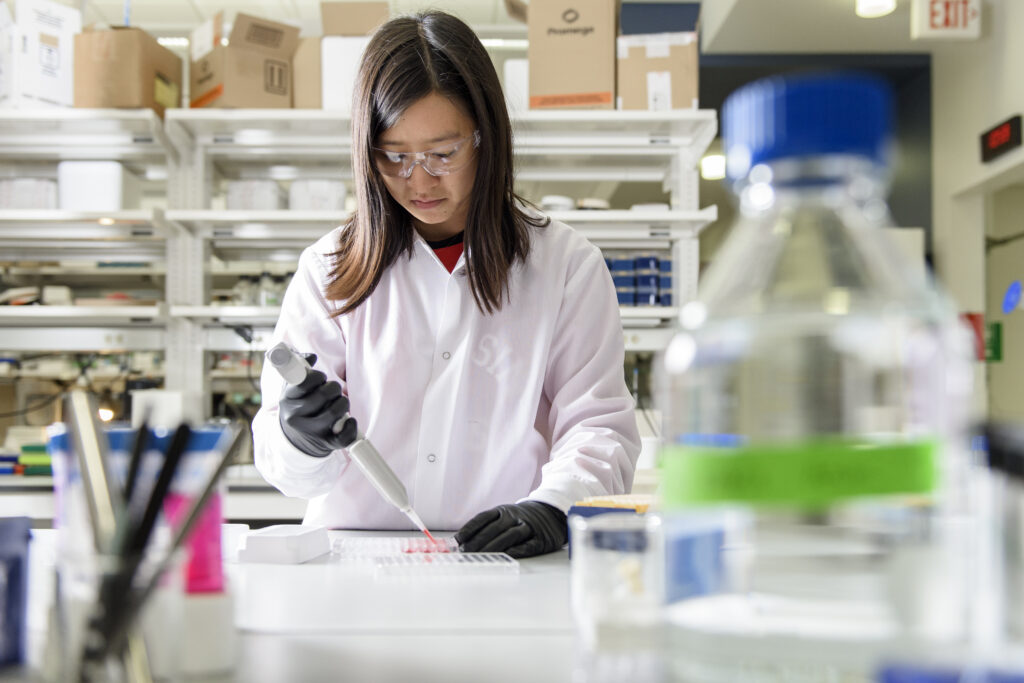
Research is an important way to develop skills that help you hone your capacity to learn and begin to contribute to the generation of new knowledge in fields of inquiry. Working in a research lab also gives you the opportunity to cultivate relationships with faculty who can serve as letter writers when you apply to a health professions program. Research can be done in any field and can sometimes be paid or for credit.
It can often feel overwhelming to connect to research on campus. There’s lots of research happening, but no structured way for students to become involved. We promote opportunities via our newsletter and social media, and many research opportunities are set up independently by students. On this page, we’ve gathered some resources to help you get started.
When you reach out to researchers, please consider the guidelines below when drafting your correspondence. Before you email, you will want to learn about their work. You can look up their most recent publications and read at least the abstracts for each. Read the whole article when you find it interesting. You do not need to be an expert on their work – you should just be able to say something about it and explain your interest in it.
Research in Your Major or Certificate
You can also use guide.wisc.edu to locate department websites and look at faculty research interests and contact information.
Many academic departments on campus offer research-related resources. If you are unfamiliar with these resources, check with your academic advisor.
Research Inquiry Email Guidelines
The following guidelines are meant to help you write effective emails to professors when requesting a meeting about their research. People want to know a little about you, why you are interested in their work, and background you may have in research. If you don’t have experience, that’s okay!
Keep in mind that professors get a lot of emails, and messages that are sincere and show some knowledge of their work are more likely to garner a response. Messages that are general or sound like they are generated by AI are often dismissed. For support crafting your resume, we encourage you to work with your school/college Career Services office. Finally, be sure to proofread your email prior to sending it!
In your email, include:
- A greeting like “Dear Dr.” or “Dear Professor” because you are addressing a person who is a professional.
- A little about you. Tell the reader your name and why you are writing. This is where you want to include why you are interested in their research.
- A little about your background. You could include your major, your year in school, emphasize research skills you have (like lab, data, or writing skills) or willingness to learn. Attach a resume and transcript for their review. This helps the reader know how much support you will need when you start.
- Ask if the reader would be able to meet in-person or over Zoom to learn more about their work.
- Express gratitude!
Research Programs & Hubs
Explore these more-centralized campus resources to help you connect to research:
Undergrad Research Scholars (URS) – If eligible, apply to participate in research for credit across academic disciplines in your first or second year or as an incoming transfer.
Wisconsin Institute for Science Education & Community Engagement (WISCIENCE) – Attend WISCIENCE’s workshop series on finding a research mentor, attend research peer leader drop-in hours & browse their FAQs. They also provide recommendations on how to succeed in research and offer courses like INTEG SCI 150 and 260/261.
Research at UW-Madison – Search for researchers at UW Madison by name or research interests using the search bar in the top right or check out new Research at a Glance and Trending Research.
Student Job Center – Look for paid positions using the “UW Student Jobs” filter and selecting “Job Categories/Outcomes” of interest. Use keywords like “research” or “research assistant.”
McNair Scholars Program – If eligible, apply to gain the knowledge, skills, and capacities needed to successfully navigate PhD studies, including research immersion and scholarly activities.
The Experts Guide– Look for news associated with topics of interest to identify researchers at UW Madison that you might want to work with.
Support for Research
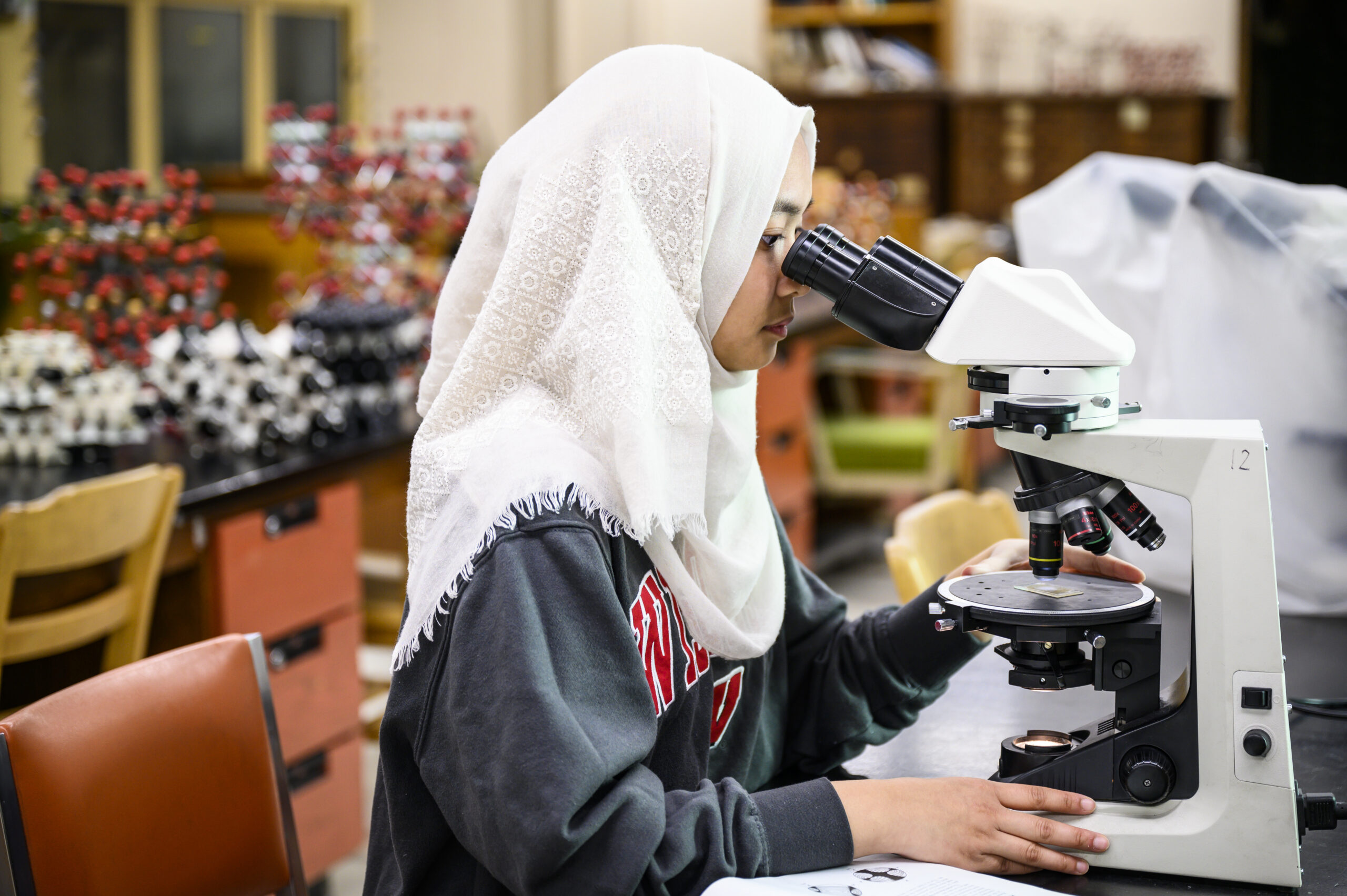
Consider university fellowship programs or programs with research stipends to fund your research.
Summer Opportunities
Many organizations offer summer research opportunities. Some are specifically designed to support those underrepresented in healthcare. Use filters like “Research,” “Basic Science Research,” or “Clinical Research” and “undergraduate college level.” You can also look to connect with faculty at other institutions in your area.
-
AAMC Summer Programs
-
UW Madison’s Summer Research Opportunity Program (SROP)
-
Pathways to Science
-
explorehealthcareers.org Summer Opportunities
-
AAMC MD PhD Summer Research Programs
-
MCW’s Diversity Summer Health-Related Research Education Program (DRSHREP)
-
NSF Research Experiences for Undergraduates (REUs)
-
NIH Summer Internship Program