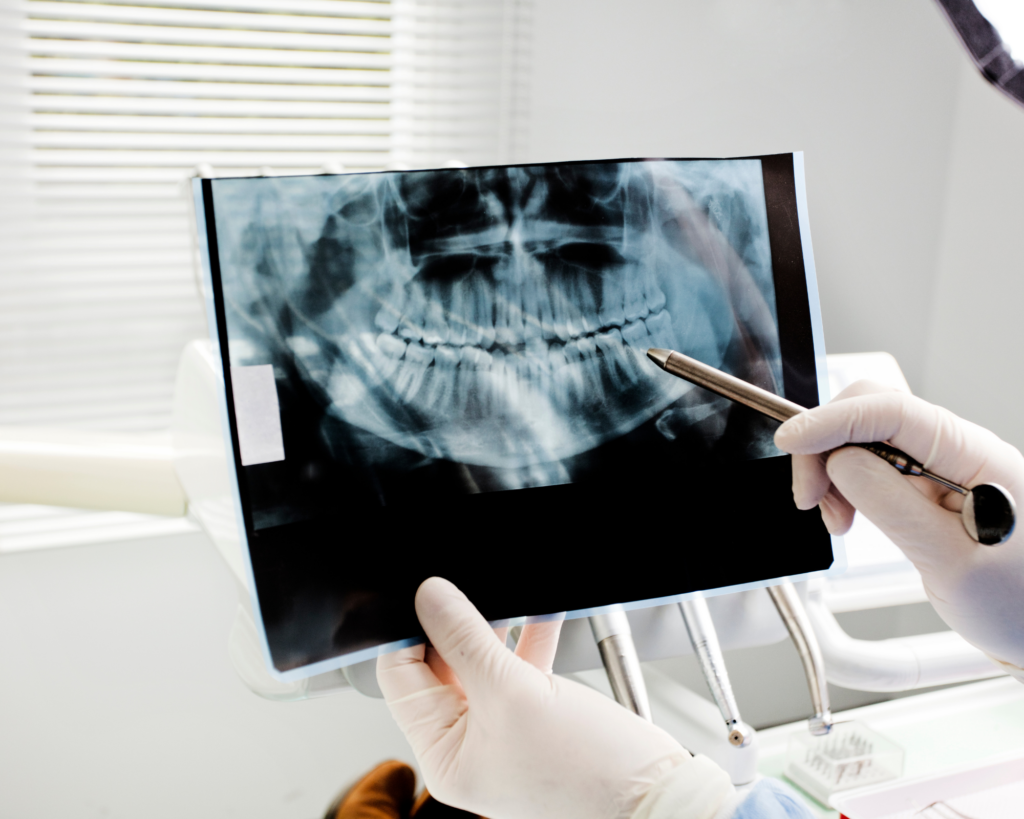
Dental Therapy
About Dental Therapy
Dental Therapists (DTs) help advance health equity by providing basic dental care, especially in medically underserved areas. DTs are mid level providers similar to physician assistants. They are trained to perform about 70% of the tasks of general dentists such as conducting exams, filling cavities, fitting temporary crowns, and performing extractions.
Learn more about the role of Dental Therapists and where they are currently authorized to practice on The National Partnership for Dental Therapy website.
Because dental therapy is a newer profession, the Bureau of Labor Statistics doesn’t currently provide salary information. We suggest using job search websites to search dental therapist positions across the country to see salary information.
UW-Madison does not offer a dental therapy program. While this field is not among CPHA’s primary areas of advising expertise, we are here to support you in exploring the career, building helpful experiences, and navigating some aspects of professional program applications. Talk with us if you have questions!
On this page: Degree & Certification Paths | Explore Your Interest in Dental Therapy | Preparing for a DT Program | Find a Program & Apply | Career Resources | Related CPHA Canvas Courses
Degree & Certification Paths
To become a Dental Therapist, you need to graduate from an accredited Dental Therapy Education Program prior to obtaining a license. Programs are approximately three years long.
Explore Your Interest in Dental Therapy

Shadowing & Informational Interviews
An excellent way to explore your interest in becoming a Dental Therapist is by talking to them and observing their work directly. If you have friends of family who work in health care (in any role) ask if they know any Dental Therapists or look for Dental Therapists on LinkedIn, Instagram, or TikTok to see if they are willing to talk about their career.

Volunteering
Dental Therapy programs may look for applicants who demonstrate a sustained commitment to serving others. Learn more about opportunities to volunteer in clinical and non-clinical settings.
Jobs & Certifications
After volunteering and exploring, working in research or a healthcare setting is a great way to learn about practical aspects of the field.
Additional Exploration Resources
“Health care advocates say dental therapists will help provider shortage in Wisconsin,” WPR, January 22, 2024.
Preparing for a DT Program
Dental Therapy Required Coursework
Requirements vary from school to school, so it’s always necessary to consult program websites. Find a list of programs on the American Dental Therapy Association program directory. Pre-requisite courses may include:
Note: Labs must be taken in-person.
| Topic | Credits | Options at UW-Madison |
|---|---|---|
| General Chemistry | 8-10 credits or 2 semesters | Choose one of the following sequences: Chemistry 103-104 Chemistry 109 |
| Biology | 5-10 credits | Choose one of these three sequences: Zoology 101-102 + Additional bio-science course Options include: Genetics, Microbiology, Cell Biology, Immunology Note: you may need to do an additional bio-science course with lab Biology 151-152 Biocore 381-382 AND 383-384 satisfies Intro to Bio requirements Biocore 485-486 Organismal Biology lecture/lab (Satisfies I/A bio) *Biocore: Students must apply to enroll in Biocore. For more information, visit the Biocore Website |
| Anatomy with lab | 4-5 credits | Anatomy & Physiology 337 – lecture Anatomy & Physiology 338 – lab |
| Physiology with lab | 4-5 credits | Anatomy & Physiology 335 – lecture and lab |
| English | 3-6 credits | Advice for Finding English Courses |
| Social Sciences | Varies | Psych 202 Sociology |
| Statistics | 3 credits | Stats 301 Stats 371 Psych 210 A statistics course in your major Statistics 240 – Data Science Modeling – Excellent choice for students who have AP credit for Stats 301 and wish to take a math/statistics course at the college level. This course teaches coding in “R.” If you don’t have credit for Stats 301 or 371 and take Stats 240, you should plan on taking Stats 340 for a deeper understanding of handling and analyzing data. |
Find a Program & Apply
The American Dental Therapy Association (ADTA) has a list of dental therapy programs in the US. Currently, 3 of these programs are accredited by the Commission on Dental Accreditation (CODA).
Dental therapy programs do not use a common application. DT applicants apply directly to each school. Some programs may have fee waivers available. Contact them directly for more information. Wisconsin has a loan assistance program for DT graduates.
Related CPHA Canvas Courses

Pre-Health 101
If you are a first year student or healthcare is a new interest, begin by signing up for Pre-Health 101: our free, self-paced online orientation course. It provides an overview of pre-health classes, activities, application timelines, and more.
Applying to Health Programs
CPHA runs a Canvas course called Applying to Health Programs, a non-credit course designed to help you with the process of applying to programs like dental therapy programs.